


How to Protect Concrete Surfaces from Seasonal Temperature Changes in Bells, TX
October in Bells, TX is one of those months where your concrete starts to feel the change in seasons. We may have warm afternoons, cool mornings, scattered rain, and the occasional early cold front moving through North Texas. While concrete is one of the toughest materials you can choose for driveways, patios, sidewalks, slabs, and parking areas, it still needs the right protection when temperatures start shifting.
At D and R Concrete Construction LLC, we work with homeowners, property owners, and businesses throughout Bells and the surrounding Texoma area. We understand how local soil, moisture, and seasonal temperature swings affect concrete. If you want your concrete surfaces to last, October is a great time to inspect, maintain, repair, or schedule new concrete work before colder weather settles in.

Key Takeaways:
- October is an ideal time to inspect concrete in Bells, TX before colder weather and winter moisture arrive.
- Sealing concrete helps protect against moisture, stains, surface wear, and temperature-related expansion and contraction.
- Small cracks should be repaired early before water enters, expands, and causes larger structural or surface problems.
- Proper installation matters. A well-built slab with the right base, drainage, control joints, and finish will handle seasonal changes much better.
- D and R Concrete Construction LLC provides local concrete knowledge backed by hands-on experience with North Texas weather and soil conditions.
Why Seasonal Temperature Changes Matter for Concrete
Concrete naturally expands when temperatures rise and contracts when temperatures fall. In Bells, October can bring temperature swings from warm daytime highs to cooler nights. That movement may seem small, but over time it can create stress in your concrete surfaces.
If the concrete was not installed properly, lacks control joints, has poor drainage, or already has small cracks, seasonal movement can make those problems worse. Water can also enter hairline cracks. When temperatures drop, that moisture can put pressure on the surrounding concrete, leading to widening cracks, surface scaling, and long-term damage.
This is especially important for:
- Driveways with daily vehicle traffic
- Patios and outdoor living areas
- Sidewalks and walkways
- Garage slabs and shop floors
- Commercial parking pads
- Concrete approaches and entrances
Concrete is durable, but it is not maintenance-free. A little attention in October can help prevent expensive repairs later in the season.
Start with a Fall Concrete Inspection
Before cooler weather arrives, walk around your property and take a close look at your concrete. October weather in Bells is usually mild enough to make outdoor inspections easy, and it gives you time to schedule repairs before winter rain or freezing conditions become a concern.
Look for these warning signs:
- Hairline cracks or widening cracks
- Uneven sections or settling
- Surface flaking, scaling, or rough spots
- Low areas where water collects
- Gaps around edges, joints, or nearby structures
- Discoloration or stains from oil, leaves, or moisture
- Broken corners or chipped edges
Not every crack means your concrete needs to be replaced. Some cracks can be cleaned, filled, or sealed. However, deeper cracks, shifting slabs, or drainage problems should be evaluated by a professional concrete contractor.
Seal Your Concrete Before Winter Moisture Arrives
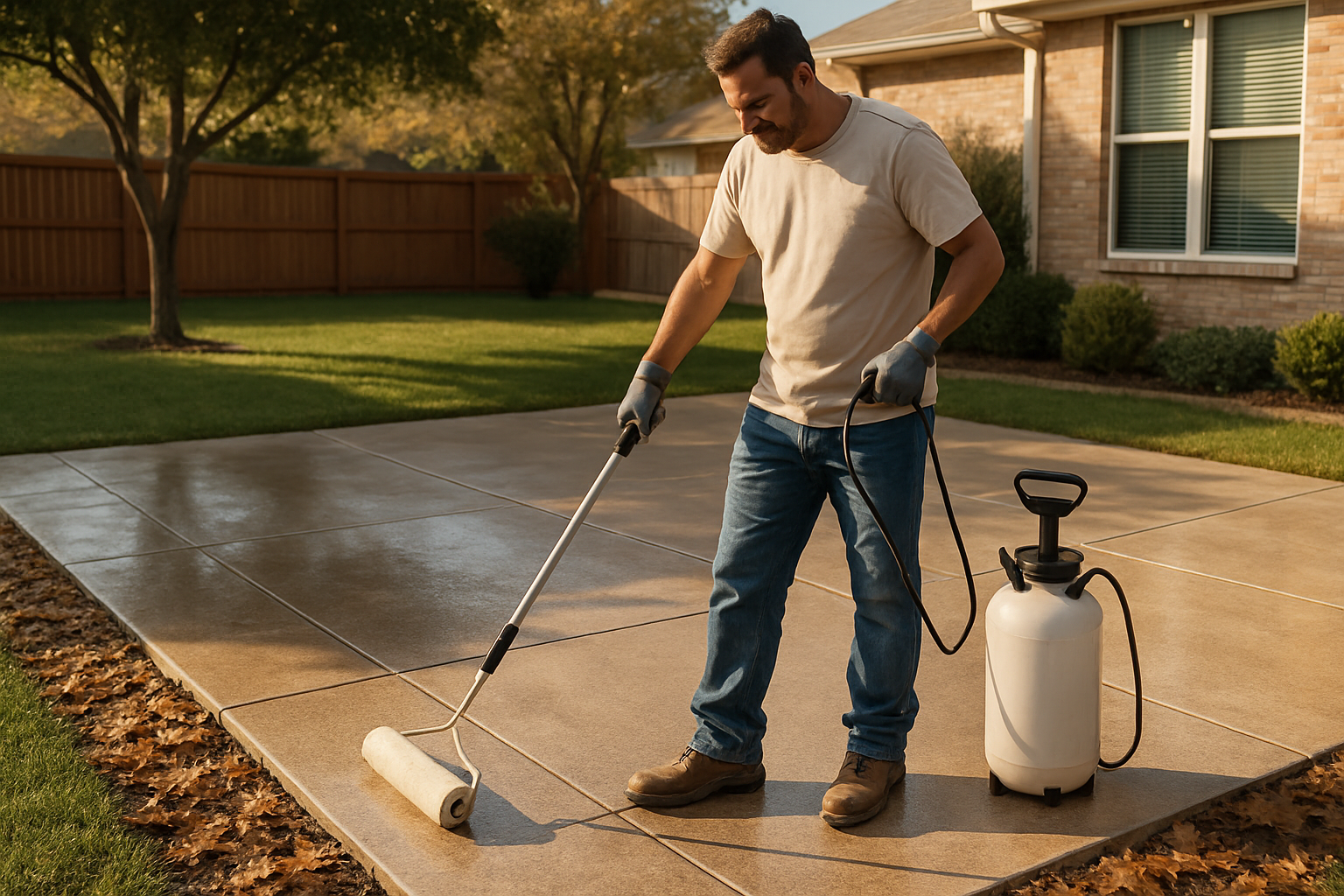
One of the best ways to protect concrete from seasonal temperature changes is to apply a quality concrete sealer. A sealer acts as a protective barrier against moisture, stains, dirt, oil, and surface wear.
In October, sealing is especially helpful because leaves, rain, and cooler nights can keep concrete damp longer. If water repeatedly soaks into unsealed concrete, the surface becomes more vulnerable to cracking, discoloration, and wear.
Sealing your concrete can help:
- Reduce water absorption
- Protect against stains from leaves, oil, and mud
- Improve resistance to surface wear
- Slow down damage from expansion and contraction
- Extend the appearance and life of the concrete
Different concrete surfaces may require different sealers. A decorative patio may need a different product than a driveway or shop slab. At D and R Concrete Construction LLC, we can help determine what type of finish or protective approach makes the most sense for your project.
Repair Small Cracks Before They Grow
Small cracks are common in concrete, but they should not be ignored. When water gets into a crack, it can weaken the area around it. Temperature changes can cause the crack to open and close slightly, and traffic or soil movement can make the problem worse.
October is a smart time to repair cracks because the weather is often moderate. Extreme summer heat has passed, but colder winter conditions have not fully arrived. That makes it a good window for many concrete maintenance and repair tasks.
Some cracks may only need cleaning and filling. Others may signal a deeper issue, such as poor drainage, improper base preparation, or soil movement. In North Texas, clay soil can expand and shrink depending on moisture levels. That movement can place extra stress on concrete slabs, sidewalks, and driveways.
“The crew from D and R Concrete Construction LLC explained what was causing the cracks in our driveway and helped us fix the problem before it got worse. They knew exactly what to look for with our North Texas soil and weather.”
— Local homeowner near Bells, TX
Improve Drainage Around Concrete Surfaces
Water is one of concrete’s biggest enemies when it is not managed correctly. Standing water can seep into cracks, wash out the base beneath a slab, and create soft spots that lead to settling. During October in Bells, rain showers and falling leaves can also clog drains, gutters, and low spots around your property.
To help protect your concrete, make sure water moves away from the surface instead of pooling on it.
Helpful drainage steps include:
- Cleaning leaves and debris from concrete surfaces
- Checking gutters and downspouts near driveways and patios
- Making sure soil slopes away from slabs and foundations
- Filling low areas where water collects
- Installing or improving drainage where needed
When we install new concrete, drainage is always part of the conversation. A beautiful slab will not perform well if water constantly collects underneath or on top of it. Proper grading, base preparation, and placement help protect your investment year after year.
Keep Concrete Clean During October
Fall leaves may look nice, but they can stain concrete if they sit too long, especially after rain. Leaves, acorns, mud, and organic debris can trap moisture against the surface. Over time, that can cause discoloration and encourage surface deterioration.
Regular cleaning does not have to be complicated. Sweeping concrete weekly during October can make a big difference. For driveways, clean up oil or fluid spots quickly so they do not soak into the surface. For patios and walkways, remove leaves after storms and rinse off dirt when needed.
A clean surface is easier to inspect and easier to maintain. It also helps your property look better as family, friends, and guests visit during the fall season.
Make Sure New Concrete Is Installed the Right Way
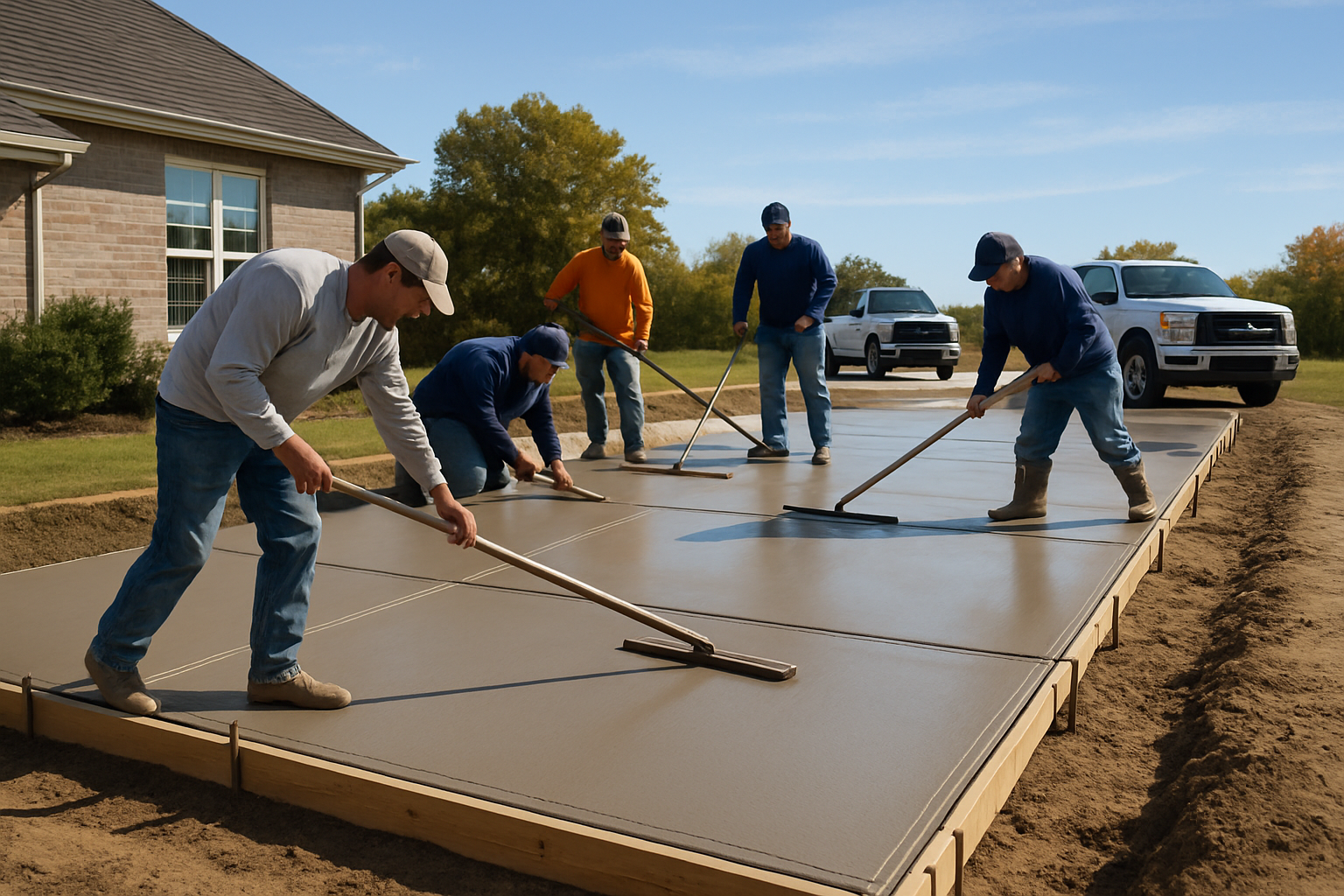
The best protection against seasonal temperature changes starts with proper installation. Concrete that is poured over a weak base, finished incorrectly, or placed without proper joints is more likely to crack, settle, or wear out early.
At D and R Concrete Construction LLC, we focus on the details that matter before, during, and after the pour. That includes site preparation, forming, grading, reinforcement when needed, proper thickness, finishing, and curing. These steps all affect how well your concrete performs through October temperature swings, winter weather, spring rain, and summer heat.
Important installation factors include:
- A properly compacted base
- Correct slab thickness for the intended use
- Control joints placed in the right locations
- Good drainage and slope
- Quality concrete mix for the project
- Proper finishing and curing practices
Cutting corners during installation can lead to bigger costs later. Whether you need a new driveway, patio, sidewalk, slab, or commercial concrete surface, choosing the right contractor is one of the most important decisions you can make.
Why Choose D and R Concrete Construction LLC?
When you hire a concrete contractor, you are not just paying for concrete. You are paying for experience, preparation, workmanship, and local knowledge. At D and R Concrete Construction LLC in Bells, TX, we take pride in building concrete surfaces that are made to handle real North Texas conditions.
Our customers choose us because we understand the area. We know that Bells properties can deal with clay soil, drainage concerns, hot summers, sudden cold fronts, and seasonal moisture. That local experience helps us recommend practical solutions instead of one-size-fits-all answers.
Here is what sets us apart:
- Local ownership: We are based in Bells, TX and care about the communities we serve.
- Hands-on experience: We understand residential and commercial concrete needs.
- Attention to detail: From prep work to finishing, we focus on doing the job right.
- Honest recommendations: We help customers understand whether repair, replacement, or new installation makes the most sense.
- Durable results: Our goal is concrete that looks good and performs well through every season.
Schedule Your October Concrete Checkup
October is a great time to protect your concrete before colder, wetter weather arrives in North Texas. Whether your driveway has cracks, your patio needs attention, or you are planning a new concrete project, D and R Concrete Construction LLC is ready to help.
Do not wait until small problems become major repairs. A seasonal inspection, proper sealing, crack repair, improved drainage, or professionally installed new concrete can help protect your property and improve curb appeal.
Contact D and R Concrete Construction LLC in Bells, TX today to discuss your concrete needs and get your surfaces ready for the seasonal temperature changes ahead.