


Preparing Your Property for Concrete Work in Bells, Texas
August in Bells, Texas brings long, hot afternoons, plenty of sunshine, and the occasional pop-up storm that can roll through fast. If you are planning a new driveway, patio, sidewalk, parking pad, shop slab, or concrete repair, the way your property is prepared before the pour matters just as much as the concrete itself.
At D and R Concrete Construction LLC, we know North Texas conditions because we work in them. From the heat and humidity to the shifting clay soils common around Grayson County, proper planning helps your concrete project look better, perform better, and last longer.
Here is what homeowners and property owners in Bells, TX should know before scheduling concrete work in August.
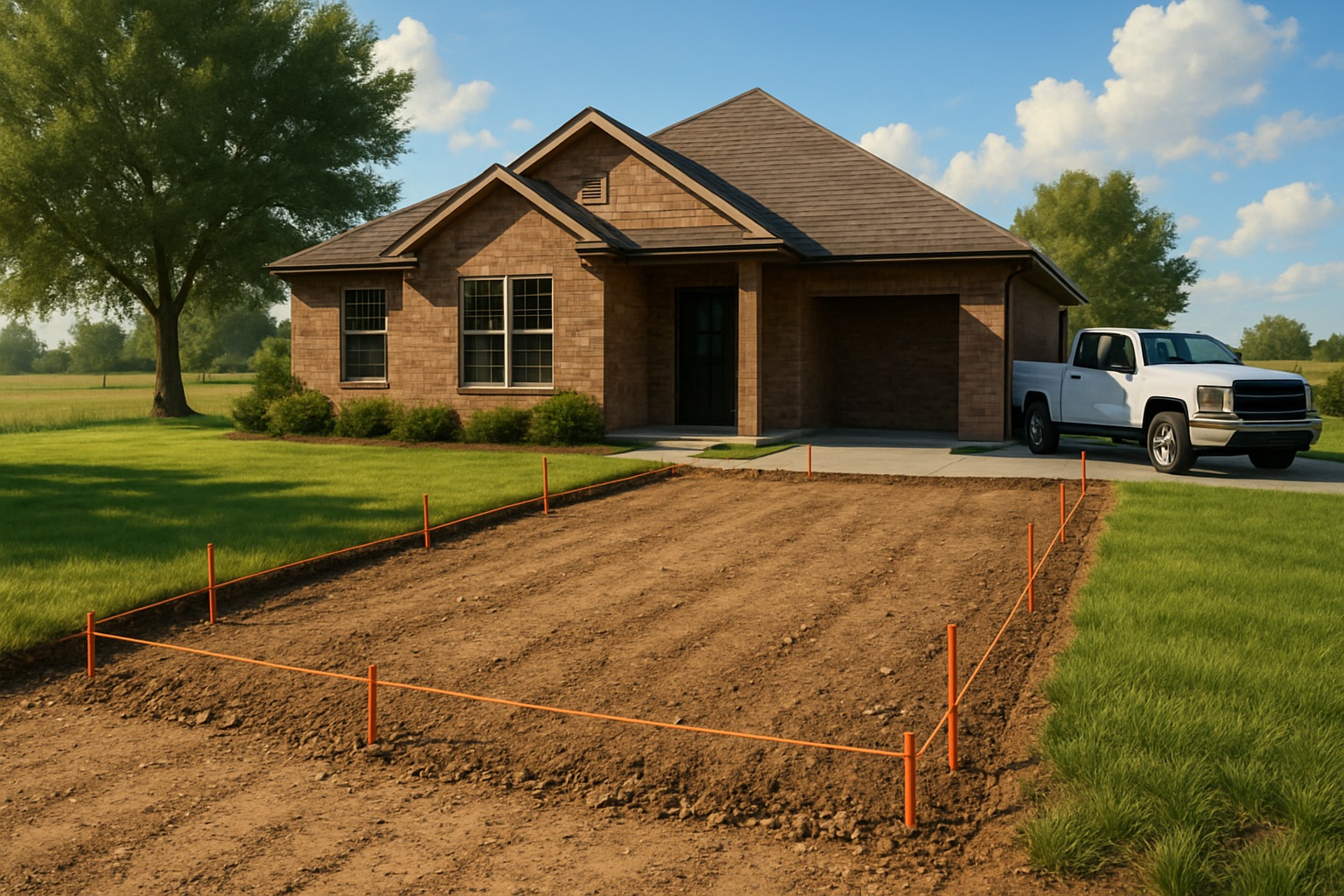
Key Takeaways:
- Clear access, remove obstacles, and mark utilities before concrete crews arrive.
- August heat in Bells, TX makes timing, moisture control, and proper curing especially important.
- Good base preparation and drainage planning help prevent cracking, settling, and long-term problems.
- Choosing a local concrete contractor like D and R Concrete Construction LLC means working with a team familiar with North Texas soil and weather conditions.
Why Property Preparation Matters Before Concrete Work
Concrete may look simple once it is finished, but a successful project starts well before the truck arrives. The area must be properly cleared, graded, compacted, formed, and reinforced. If the ground beneath the concrete is soft, uneven, poorly drained, or full of organic material, the finished slab can settle, crack, or hold water.
In Bells and the surrounding North Texas area, preparation is especially important because of the soil. Many properties have clay-heavy ground that expands when wet and shrinks during dry periods. In August, the ground may be extremely dry and hard in some areas, while sudden thunderstorms can quickly change the moisture level.
That movement underneath the slab can stress the concrete. While no concrete is completely crack-proof, proper preparation helps reduce problems and gives your project a stronger foundation.
Step 1: Clear the Work Area
Before concrete work begins, the project area should be accessible and free of anything that could slow down the crew. This includes outdoor furniture, vehicles, trailers, planters, toys, yard decorations, and tools.
If we are pouring a driveway or approach, we need enough room for equipment and concrete delivery. If we are working on a backyard patio, side walkway, or shop slab, gate access and clear paths are important.
Before your scheduled project, consider removing or relocating:
- Vehicles, boats, trailers, and RVs near the work zone
- Lawn furniture, grills, fire pits, and patio decorations
- Children’s toys, pet items, and garden hoses
- Low-hanging limbs that may block equipment access
- Trash cans, storage bins, or loose materials near the project area
Clearing the area ahead of time helps the job move smoothly and safely. It also helps protect your belongings from dust, splatter, or accidental damage.
Step 2: Think About Drainage Before the Pour
Drainage is one of the biggest things to plan before concrete installation. Concrete should be sloped correctly so water drains away from your home, garage, shop, barn, or other structures.
In August, it is easy to forget about drainage because the weather is often hot and dry. But North Texas storms can bring heavy rain in a short amount of time. If water has nowhere to go, it can pool on the slab, wash out the edges, or drain toward your foundation.
At D and R Concrete Construction LLC, we look at the natural slope of the property, nearby structures, existing driveways, and low spots before forming and pouring. Good drainage planning can make a major difference in the performance and appearance of your concrete.
“They took the time to explain how the slope of our new driveway would move water away from the garage. After the first hard rain, we could see the difference right away.”
— Local homeowner near Bells, TX
Step 3: Mark Utilities and Irrigation Lines
Before digging, grading, or forming, it is important to know what is underground. This may include water lines, sewer lines, electrical lines, gas lines, sprinkler systems, or private utility runs to barns, shops, or outbuildings.
Property owners should contact the proper utility marking service before work begins. If you have private lines that may not be marked by public utility locators, such as irrigation systems, dog fences, septic lines, or electrical runs to sheds, let your concrete contractor know.
Things to identify before concrete work include:
- Water and sewer lines
- Gas or electrical service lines
- Septic tanks, lateral lines, or cleanouts
- Irrigation pipes and sprinkler heads
- Landscape lighting wires
- Private utility runs to shops, barns, wells, or gates
Taking time to identify utilities can prevent delays, repairs, and safety hazards.
Step 4: Plan Around August Heat in Bells, TX
Concrete work in August requires experience. High temperatures, direct sunlight, dry wind, and humidity can affect how concrete sets and cures. If concrete sets too quickly, finishing becomes more difficult. If it is not protected and cured properly, the surface may be more vulnerable to shrinkage cracks, dusting, or weakness.
That is why timing matters. In late summer, many pours are best scheduled earlier in the day when temperatures are lower. The crew must be prepared, the forms must be ready, and everyone has to work efficiently once the concrete arrives.
August weather in Bells can also change quickly. A morning may start clear, and by afternoon, a thunderstorm can develop. Rain at the wrong time can damage a fresh surface. A local contractor understands how to watch the forecast and plan around real North Texas conditions.
Step 5: Keep Pets and Children Away from the Work Zone
Concrete projects can be exciting to watch, but the work zone is not a safe place for children or pets. There may be equipment, tools, rebar, forms, wet concrete, uneven ground, and vehicles moving in and out.
Before work begins, make a plan to keep pets indoors or in a secure area away from the crew. Children should also stay clear of the project area until the concrete has been poured, finished, and allowed to set.
This is also important after the crew leaves. Fresh concrete may look firm before it is ready for foot traffic or vehicle traffic. We will let you know when it is safe to walk on or drive on your new concrete.
Step 6: Understand the Importance of Base Preparation
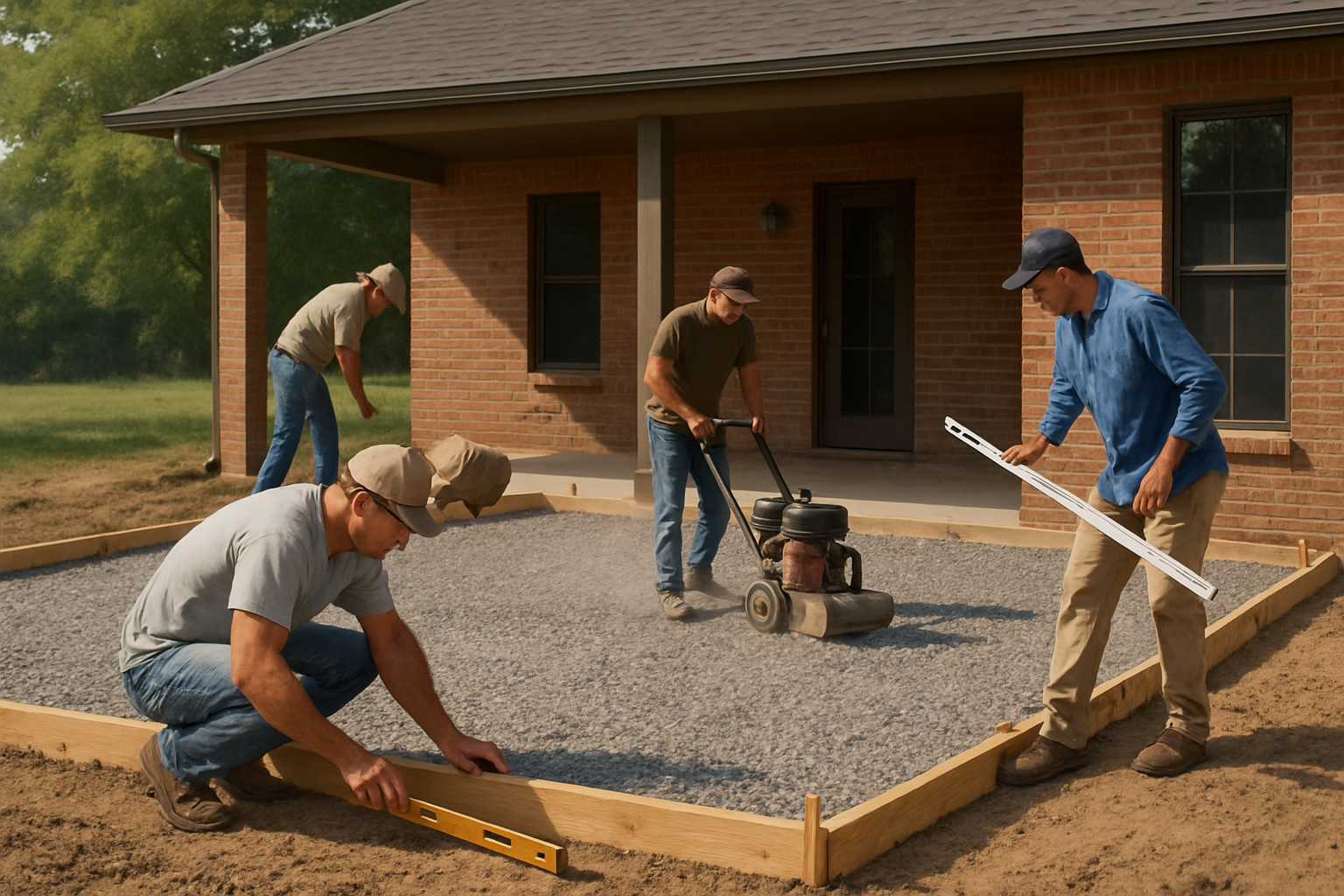
The base beneath your concrete is one of the most important parts of the job. A properly prepared base helps support the slab and reduce movement. Depending on the project, this may involve removing grass and topsoil, grading the site, adding select fill or gravel, compacting the base, and installing reinforcement.
For driveways, parking areas, and shop slabs, base strength is especially important because the concrete will carry vehicle or equipment loads. A weak base can cause settling or cracking over time.
D and R Concrete Construction LLC pays attention to what is underneath the concrete because we know that a clean finish on top will not make up for poor preparation below.
Step 7: Be Ready for Access and Scheduling
Concrete work is time-sensitive. Once concrete is ordered and delivered, the crew needs to be ready. Weather delays can happen, especially in August, but good communication helps keep everything on track.
Before your project day, make sure there is a clear plan for where the crew can park, where equipment can enter, and how the concrete truck can access the area. If access is tight, let us know ahead of time so we can plan the best approach.
You should also discuss any special concerns before the job starts, such as:
- Matching an existing driveway, sidewalk, or patio elevation
- Adding control joints in specific locations
- Planning for future buildings, gates, fences, or drainage features
- Finishing preferences, such as broom finish or smooth finish where appropriate
- Concerns about water flow, low spots, or erosion
The more we know before the pour, the better we can deliver a finished product that fits your property and your goals.
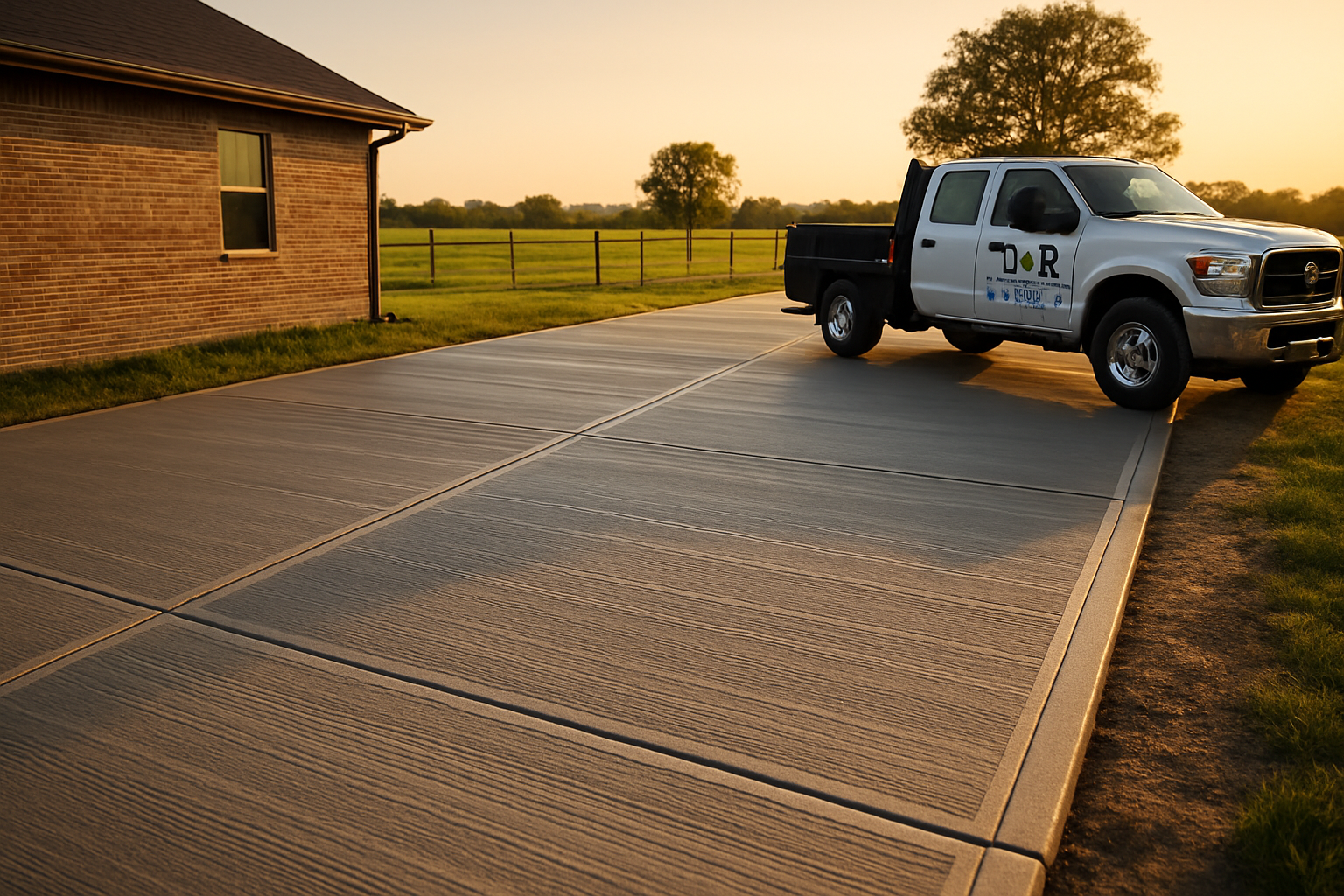
Why Choose D and R Concrete Construction LLC?
When you choose a concrete contractor, you are choosing the team responsible for the strength, appearance, and long-term performance of your project. At D and R Concrete Construction LLC in Bells, TX, we take pride in serving local homeowners, landowners, and businesses with dependable concrete construction.
We understand the challenges of working in this area. We know August heat can affect set times. We know heavy rain can test drainage. We know North Texas soil movement has to be considered before the pour. That local knowledge matters.
Customers choose D and R Concrete Construction LLC because we focus on:
- Proper preparation: We take the time to prepare the site, base, forms, and reinforcement correctly.
- Clear communication: We explain the process, scheduling, access needs, and curing expectations.
- Local experience: We understand Bells, TX weather, soil, and property layouts.
- Quality workmanship: We want your concrete to be functional, attractive, and built to serve your needs.
- Respect for your property: We work carefully and keep the job organized from start to finish.
Ready to Start Your Concrete Project in Bells, TX?
If you are planning concrete work this August, now is the time to prepare your property and talk with a local contractor who understands the area. Whether you need a driveway, patio, walkway, slab, or concrete replacement, preparation is the first step toward a successful project.
At D and R Concrete Construction LLC, we are proud to serve Bells, Texas and nearby communities with concrete work built for local conditions. Contact us today to discuss your project, ask questions, and schedule an estimate.
Let’s get your property ready for concrete that is built to last.